Outsource Accounting: Account Reconciliation & Bank Reconciliation Services

In today’s dynamic business environment, maintaining accurate and up-to-date financial records is crucial for success and fulfilling reconciliation requirements. Account reconciliation and bank reconciliation are essential processes for ensuring financial health and compliance. Discover how outsourcing these functions can transform your finance operations and improve your business outcomes.
Understanding Reconciliation

What is Reconciliation?
Reconciliation is the process of comparing two sets of records to ensure they are in agreement. In accounting, reconciliation involves matching internal financial records, such as the general ledger, with external statements like bank statements. This reconciliation process helps identify discrepancies and errors, ensuring the accuracy of financial data and effective internal accounting.
The Importance of Account Reconciliation
Account reconciliation is essential for ensuring the accuracy of financial transactions. vital for maintaining accurate financial statements and providing a clear picture of a company’s financial health. Regular account reconciliation helps identify discrepancies, prevent fraud, and ensure compliance with regulatory standards. Effective account reconciliation also supports better cash flow management and informed decision-making for business owners.
Types of Reconciliation
There are several types of reconciliation, including bank reconciliation, which compares bank statements with internal records; account reconciliation, which verifies balances in various accounts; and receivable reconciliation and payable reconciliation, which match outstanding invoices with payments received or made. Understanding these types of reconciliation is essential for comprehensive financial management.
Outsourcing Account Reconciliation
Benefits of Outsourcing
Outsourcing account reconciliation and other accounting services offers numerous benefits.
FinRecon Global Services offers cost-effective financial solutions. Their services are designed to empower businesses by reducing costs. Outsourcing allows businesses to scale operations. Businesses gain access to expert financial support without compromising quality or compliance. Cost-effective solutions streamline financial operations and ensure compliance. Outsourcing improves efficiency.
Outsourcing improves efficiency, provides access to expert bookkeepers and accountants, and saves time and money. By outsourcing reconciliation, business owners can focus on core business activities while ensuring accurate and compliant financial records, saving time and resources. Outsourcing reconciliation services also enhances data security.
Choosing the Right Reconciliation Services
Selecting the right reconciliation services involves assessing the service provider’s experience, expertise, and technology. Look for providers who offer comprehensive account reconciliation services, including bank reconciliation, accounts payable reconciliation, and accounts receivable reconciliation. Ensure they use reliable reconciliation software and have robust data security measures in place to protect your financial data.
How to Outsource Effectively
To outsource reconciliation effectively, clearly define your requirements and expectations. Establish clear communication channels with your outsourcing partner and ensure they understand your accounting processes. Use accounting software that integrates with your service provider’s systems for efficient financial reporting. Regularly review the reconciliation reports and financial statements to ensure accuracy and identify any potential issues. Outsourcing reconciliation can streamline your financial operations and improve compliance.
Bank Reconciliation Process
Steps in Bank Reconciliation
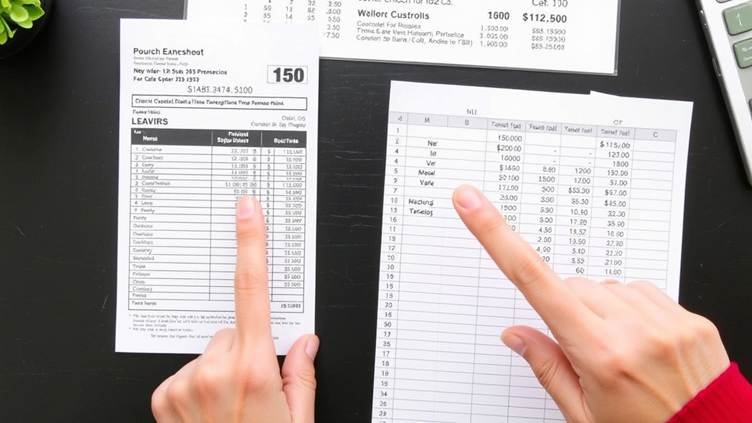
The bank reconciliation process involves several key steps, including the reconciliation of accounts and reviewing credit card statements. To effectively reconcile your accounts, you should follow these actions:
- Gather all necessary documents, including bank statements and internal financial records.
- Compare each transaction listed on the bank statement with the corresponding entries in the company’s ledger to detect discrepancies.
- Identify discrepancies, such as outstanding checks, deposits in transit, or bank errors, to ensure accurate bank and credit card reconciliations.
- Make necessary adjustments to reconcile accounts and ensure that the bank balance matches the book balance.
This reconciliation process is crucial for maintaining accurate financial records.
Common Challenges in Bank Reconciliation
Several challenges can arise during bank reconciliation, but effective strategies can help businesses address discrepancies and resolve them. Common issues include missing or inaccurate transaction data, human errors in recording transactions, and delays in receiving bank statements. Identifying and resolving these discrepancies can be time-consuming and require careful attention to detail. Effective reconciliation software and standardized processes can help streamline the bank reconciliation process and minimize these challenges.
Utilizing Reconciliation Software
Reconciliation software can significantly streamline the bank reconciliation process, helping businesses identify discrepancies and resolve issues quickly.
FinRecon employs cloud-based solutions integrated with platforms like QuickBooks and Xero.
These tools automate the matching of transactions, identify discrepancies, and generate reconciliation reports. By using reconciliation software, businesses can save time, reduce human errors, and improve the accuracy of their financial data. Integration with accounting software like QuickBooks and Xero further enhances efficiency, providing a seamless flow of information for financial transactions.
Compliance and Best Practices

Ensuring Compliance in Reconciliation
Ensuring compliance in reconciliation is Essential for maintaining regulatory compliance and avoiding penalties, reconciliation requirements must be met diligently during monthly account reviews.. Businesses should adhere to established accounting standards and internal control procedures when performing reconciliation. Regular audits and reviews can help identify any compliance gaps and ensure that the reconciliation process is accurate and reliable. Proper documentation of the reconciliation process is also crucial for demonstrating compliance during audits.
FinRecon ensures full regulatory compliance across multiple jurisdictions. They offer expertise in international accounting standards and compliance.
Best Practices for Bookkeepers
Bookkeepers are essential to the reconciliation process, and following best practices is key to their success. These best practices include regular review of credit card statements and ensuring compliance with reconciliation requirements.
- Maintaining organized financial records.
- Regularly reconciling accounts helps businesses maintain accurate financial records and avoid discrepancies.
- Promptly addressing any discrepancies.
Furthermore, they should stay updated on the latest accounting standards and regulations to ensure compliance, and effective communication with other finance professionals and business owners is also crucial.
Maintaining Accurate Records
Maintaining accurate financial records is fundamental to effective reconciliation. This involves ensuring that all transactions are recorded correctly and promptly for accurate financial reporting. Regular review and verification of financial data can help detect discrepancies and correct any errors in financial reporting. Using reliable accounting software and establishing clear data entry procedures are also essential for maintaining accurate records and facilitating bank and credit card reconciliations.
FinRecon provides accurate financial records.
Accurate records are essential for informed decision-making and financial health, providing peace of mind for stakeholders.
Choosing a Bookkeeping Service

Factors to Consider When Hiring a Bookkeeper
When hiring a bookkeeper, consider their experience, qualifications, and expertise in account reconciliation. Look for someone with a strong understanding of accounting principles and reconciliation processes. Check their references and reviews to ensure they have a proven track record of providing accurate and reliable bookkeeping services. Also, consider their familiarity with your industry and the specific accounting software you use.
Assessing Bookkeeping Services
Assessing bookkeeping services involves evaluating the range of services they offer, their technology capabilities, and their commitment to data security, which helps businesses thrive. Ensure they provide comprehensive account reconciliation services, including bank reconciliation, accounts payable reconciliation, and accounts receivable reconciliation. Verify that they use secure accounting software and have robust data protection measures in place to safeguard your financial data. Consider outsourcing reconciliation for streamlined operations.
Evaluating Cost vs. Value
When evaluating bookkeeping services, it’s important to consider the cost versus the value they provide, especially in terms of reconciliation outsourcing options. While cost savings are important, prioritize accuracy, compliance, and expertise.
FinRecon Global Services offers cost-effective financial solutions. The company emphasizes strategic financial partnerships. They aim to empower businesses by reducing costs. They provide access to expert financial support without compromising quality or compliance. FinRecon provides localized expertise and adheres to international standards of excellence. Their solutions are technology-driven.
A cost-effective solution that ensures accurate financial records and compliance is more valuable in the long run. Look for service providers who offer transparent pricing and a clear understanding of your business needs. Outsourcing account reconciliation can provide significant cost savings and improve financial management.